Fall Roof Checklist: 7 Things You Can Check From the Ground

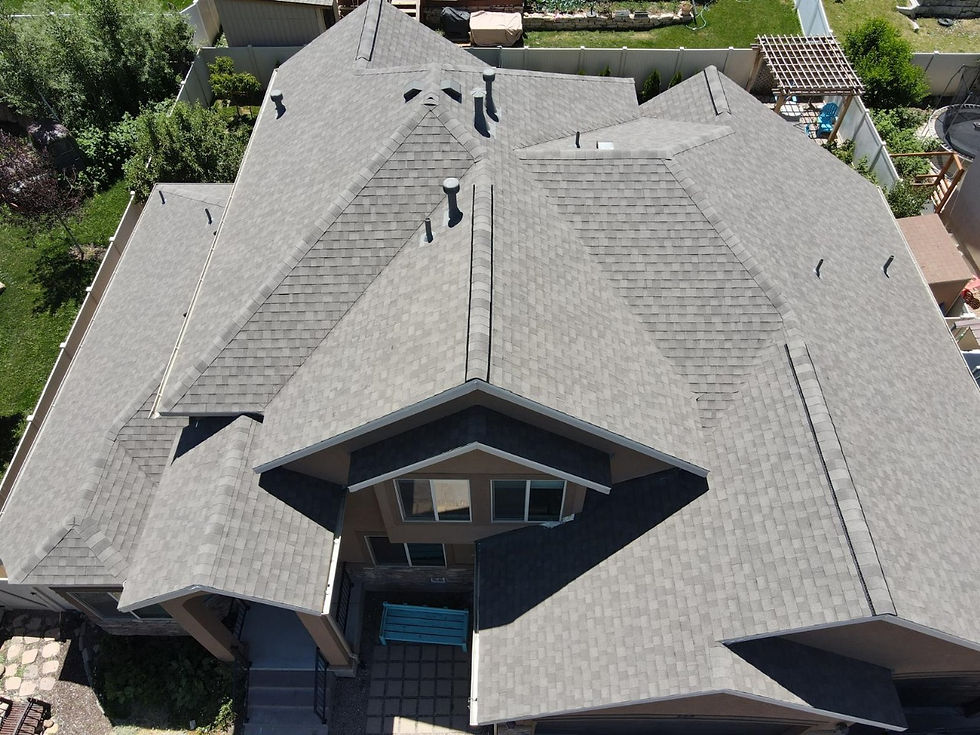
The takeaway: Photograph the location, note the change, and let a professional determine the cause.
Start with a safe, simple walk
A fall roof check can begin with a slow walk around your home and a few photos. Your goal is to notice changes and collect useful questions before you schedule professional help.
Choose daylight, dry footing, and a route away from traffic or falling debris. Stay on the ground throughout this checklist; leave roof access, ladders, attic entry, gutter cleaning, and tree work to qualified professionals.
1. Look at the overall roofline
From a comfortable distance, look along the roof's outline. Note an area that appears to dip, lean, or look different from neighboring sections.
A ground-level view cannot tell you why a line looks uneven. Photograph the whole side of the home as well as the area of concern, and let a professional assess it rather than trying to get closer.
2. Scan for changes in the shingle pattern
Look for visible gaps, lifted edges, or patches that seem different from the surrounding roof. Binoculars or your phone's zoom can help you observe without leaving the ground.
Write down which side of the house you are viewing. A note such as 'above the front bedroom' is easier to discuss than a close-up photo with no location attached.
3. Notice material on the ground
During your walk, look for shingle pieces or unfamiliar roofing material in the yard or driveway. Photograph anything you find from a safe position.
Treat loose material as a clue to discuss, not proof of a particular failure. Avoid touching sharp fragments, and keep children and pets away while you arrange appropriate cleanup.

4. Check the visible gutter line
Look for a gutter section pulling away from the house, a low spot, or visible debris above the edge. Note any staining beneath a joint that you want a professional to examine.
Do not try to pull material down with a tool or improvise a way to reach the gutter. Ask about professional cleaning or repair based on what the inspection finds.
5. Follow each downspout to its outlet
From ground level, note disconnected sections and where each downspout ends. Look for water marks, washed-out soil, or an outlet aimed toward a walkway or the house.
Take one photo showing the outlet and surrounding ground. Ask whether the drainage route is suitable for your property, especially if you have noticed repeated pooling nearby.
6. Look beneath the roof edges
Scan the visible trim along the edge and the underside of the overhang. Record peeling finishes, staining, gaps, or a change you do not remember seeing before.
You do not need to know every roofing term to report a concern. Describe the location in everyday language, such as 'under the back corner near the patio.'
7. Note branches and roof debris
Look for branches touching or hanging close to the roof and visible collections of leaves. A wide photo can help show the relationship between the tree and the house.
Ask the appropriate professional to assess the situation. Leave trimming, branch removal, and roof cleaning to people equipped to do that work safely.
Turn observations into a useful conversation
Save the photos in one folder with the date and your questions. Mention any related ceiling stain or active drip you have already noticed from an ordinary room, without entering the attic.
A clear-looking roof from the yard does not rule out hidden issues. If something has changed or moisture is entering your home, arrange a professional assessment instead of waiting for the next seasonal check.

Get a clear next step for your roof
Have a concern on your fall checklist? Request a free inspection from Maldonado Roof Co.


Comments