Flat-Roof Drainage: A Fall Checklist for Property Managers
The takeaway: Document the drainage concern, assign the next step, and verify what was actually completed.
Start with the building’s drainage plan
For a property manager, roof drainage is easier to manage when the system and the people responsible for it are clearly identified. Fall is a useful point to review those details and arrange professional attention to unresolved concerns.
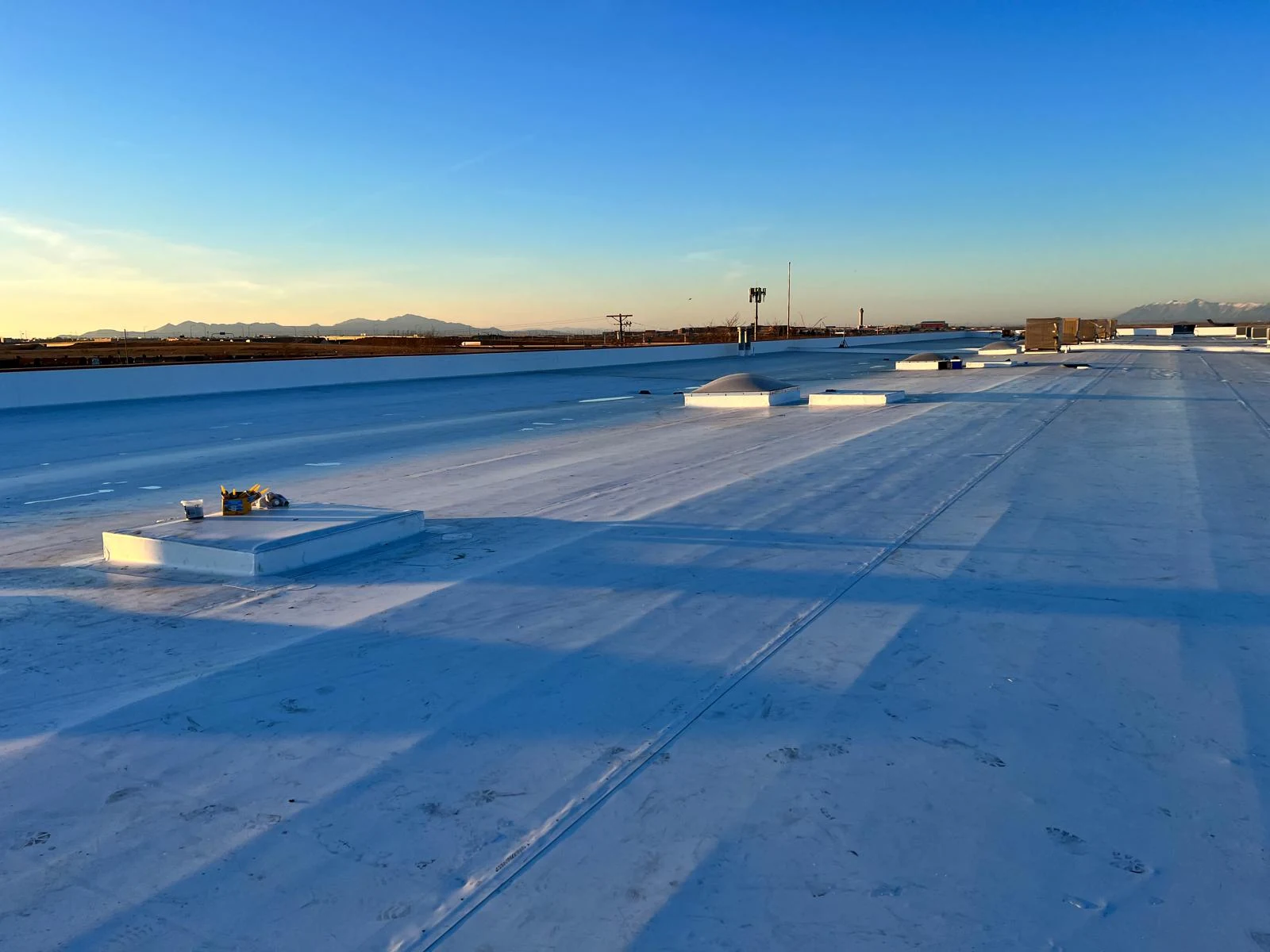
GAF explains that low-slope roofs rely on their drainage design to direct water toward outlets such as drains or scuppers. Water that remains on a roof can involve blockages, slope, or other conditions, so the cause should be evaluated rather than assumed.
Gather the information before scheduling the visit
Bring together the latest inspection report, maintenance record, roof plan if available, and any open work orders. Mark known concerns on a building diagram using room numbers, roof sections, or another location system your team already understands.
You do not need a perfect drawing to begin. A consistent label such as “north loading-dock roof” is more useful than several emails referring to “the back corner” without a shared reference.
Which roof areas and drainage components need review?
When was the last documented professional visit?
Are any earlier recommendations still unresolved?
Who can answer questions about roof access and building operations?
Give qualified professionals a clear assignment
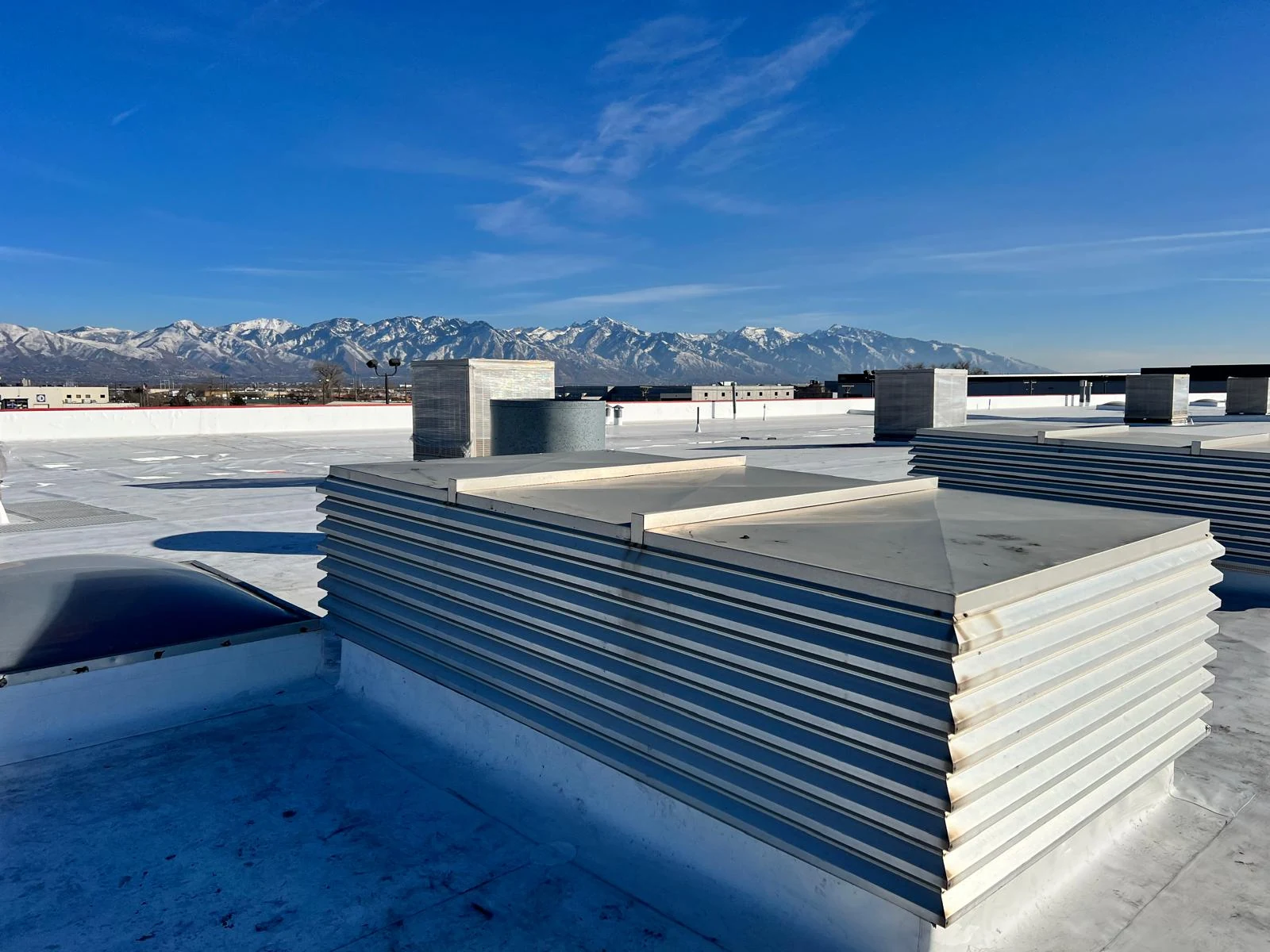
Ask the roofing professional to evaluate drainage conditions and identify maintenance or further investigation needed for the specific system. GAF’s guidance includes keeping drains clear of accumulated debris as part of regular roof maintenance.
Have professionals handle roof access, clearing, cleaning, and repairs. Ask how they will document the condition of the drainage paths and distinguish completed work from recommendations that require a separate decision.
If the issue involves piping or another building system, request a clear explanation of who should evaluate that portion. Avoid treating every report of standing water as a drain-cleaning task before the cause is understood.
Make tenant and staff observations usable
Give occupants a simple way to report visible concerns without accessing the roof. Ask for the room or exterior location, the time observed, and a photo only when it can be taken safely from an ordinary occupied area or the ground.
Staff should not open roof access points or climb to verify a report. Their job is to pass along clear information and keep people away from an affected area when needed.
New ceiling staining or active dripping inside an occupied space.
A change visible at an exterior drainage outlet from a safe location.
A recurring concern in the same room or building section.
A report that needs an immediate response rather than the routine maintenance queue.
Close the visit with a short written record
Ask for dated findings that identify each location, what was completed, and what remains open. Keep before-and-after photographs with the report so future reviewers can follow the work without reconstructing several conversations.
Assign a responsible contact to every next step, whether it is further evaluation, a repair decision, or another provider’s visit. Include the agreed timing and the evidence you expect back when the item is finished.
When someone reports that a task is complete, confirm what that statement covers. Clearing debris, diagnosing a recurring drainage problem, and completing an approved repair are different milestones in the same record.
Keep the record active after fall maintenance
Place the report where the next property manager or facilities contact can find it. Update the contact list and carry unresolved recommendations into the building’s normal maintenance planning process.
If a concern returns, send the previous record with the new observation. A useful maintenance history connects the current symptom to earlier findings and helps the next professional visit start with the right questions.

Get a clear next step for your roof
Have a drainage concern at your Utah property? Contact Maldonado Roof Co. about a free roof inspection.
Request a free roof inspection
Call our office: (801) 326-9006