
Hidden Roof Storm Damage: What Utah Homeowners Should Look For

The storm has passed. Your yard is drying out, the sky is clearing, and your roof looks normal from the driveway. Does that mean everything is fine? Not necessarily. Some roof problems are easy to spot, while others need a closer professional inspection.
For Utah homeowners, the practical next step after strong wind or hail is to look for changes safely and arrange an inspection when something seems wrong. A roof does not have to be leaking to deserve attention.
Why storm damage can be hard to see
From the ground, you see the overall roofline—not every shingle edge, flashing joint, or area around a vent. Wind can loosen or damage roofing materials, and hail can leave impact marks that are difficult to evaluate from a distance. A roof may still look tidy even when a small area needs repair.
At the same time, a dark spot or loose granules do not automatically prove storm damage. Normal aging, installation issues, and other causes can create similar signs. An inspection helps separate an observation from a diagnosis.

Five signs worth paying attention to
1. Shingles or roofing pieces in the yard. After the weather clears, look for fresh debris from a safe location. Missing or visibly displaced shingles are a reason to call a roofer.
2. A noticeable change in granules around downspouts. Asphalt shingles have a granular surface. An unusual accumulation deserves a closer look, although granules alone cannot tell you whether hail caused damage.
3. New dents on accessible exterior metal. Marks on gutters or downspouts can be a clue that hail struck the property. They do not establish the condition of the roof by themselves.
4. New ceiling stains or damp areas indoors. Take photos and note when you first noticed them. Water can travel before it becomes visible, so the stain may not sit directly below the entry point.
5. Visible changes around roof edges or penetrations. Loose materials near vents, chimneys, or roof edges deserve professional attention. Use a ground-level view; do not climb onto the roof to investigate.
What to do after the weather clears
Start with photos you can take safely from the ground and inside your home. Record the approximate date of the storm and the changes you noticed. Keep children and pets away from fallen materials, and avoid touching damaged electrical equipment or downed lines.
Next, schedule a roof inspection. Ask for photos of any findings, an explanation of the affected areas, and clear recommendations. The useful question is not simply whether a storm passed through—it is what condition your roof is in now and what, if anything, needs attention.
An inspection does not automatically mean a replacement
Every roof is different. The right next step may be monitoring, a targeted repair, or a broader discussion about the roof's condition. Its age, materials, existing wear, and the extent of any damage all matter. A clear assessment should help you understand the recommendation before you decide.
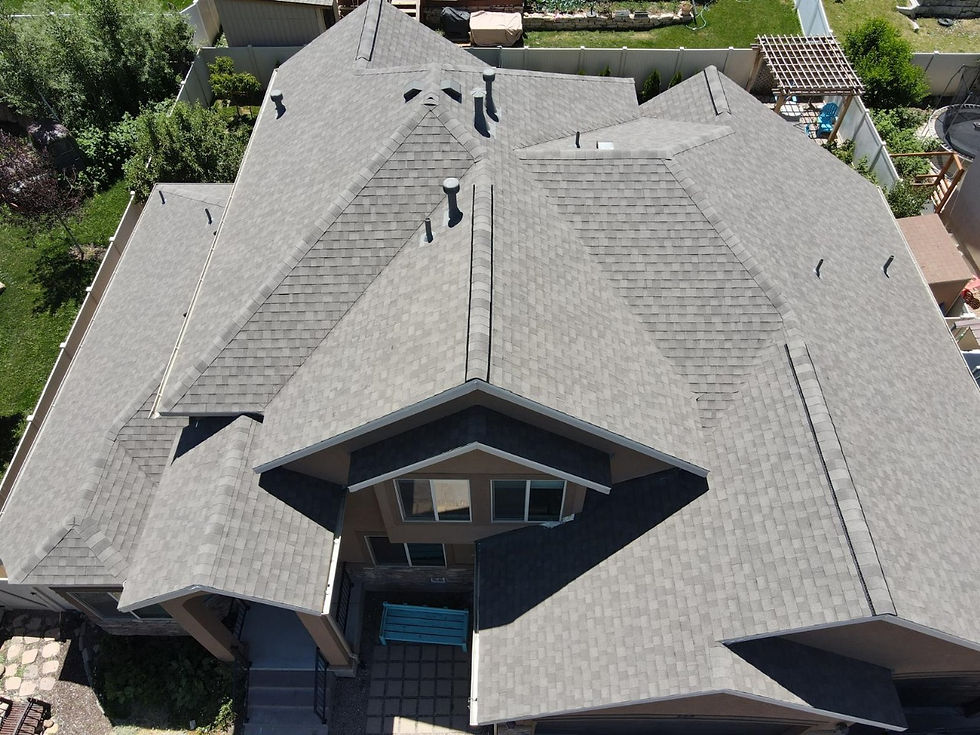
Get clarity before the next storm

If you are concerned about hidden roof storm damage at your Utah home, contact Maldonado Roof Co to request a free inspection. Share what you noticed and ask the team to walk you through the findings. Knowing what is happening above your ceiling is a practical first step toward protecting the home underneath it.
Visit maldonadoroofco.com to request your free inspection.
Cover image: AI-generated illustration, not a photograph of a specific storm or customer property.


Comments